Tel.: +86 574 6222 6513
Tel.: +86 574 6222 6513
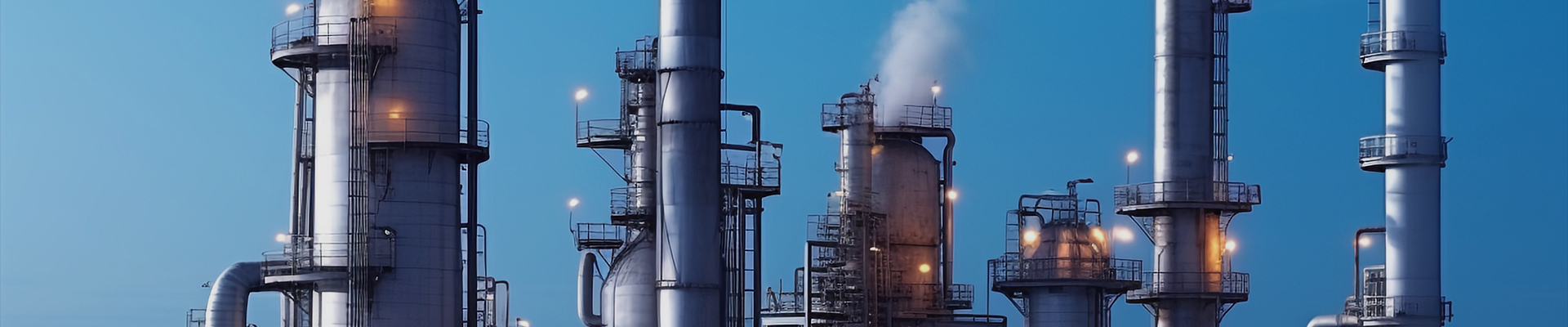
Explosion proof lighting is designed to operate safely in environments prone to explosive gases, vapors, or dust. These lights are constructed to contain any internal explosion and prevent it from igniting external flammable substances.
• LED lights typically have a higher upfront cost compared to halogen lights but offer significant savings over time due to longer lifespans and lower energy consumption.
• Average costs: LED lights range from $100-$300, while halogen lights are generally priced between $50-$150.
• LED lights use up to 80% less energy than halogen lights, leading to much lower electricity bills.
• Calculate the estimated annual operating cost based on usage hours and local electricity rates:
LED: 10W (for 8 hours/day) = X cost
Halogen: 50W (for 8 hours/day) = Y cost
| Parameter | Explosion Proof LED | Halogen |
|---|---|---|
| Lifespan | 50,000 hours | 2,000-5,000 hours |
| Energy Consumption | 10-30W | 50-100W |
| Light Output (Lumens) | 1000-5000 lumens | 800-2000 lumens |
| Heat Emission | Low | High |
• Users have reported that LED lights maintain brightness over time without flickering or color degradation, while halogen lights tend to dim and emit heat quickly.
• Applications include mining, oil drilling, and chemical processing, where safety is paramount and longevity reduces maintenance frequency.
• LED lights often feature built-in battery backup options, extending use during power outages with reliable performance.
• Halogen lights are susceptible to burnout and require more frequent replacements, adding to maintenance expenses.
Advantages of LED:
Long lifespan
Low energy consumption
Less heat generated
Disadvantages of LED:
Higher initial cost
Advantages of Halogen:
Lower upfront cost
Disadvantages of Halogen:
Shorter lifespan
Higher energy consumption
More heat generation
• Industrial facilities, mining operations, and refining plants are suitable environments for explosion-proof LED lighting due to their safety features and efficiency.
• SAFER-Ex offers a range of explosion proof LED lights designed to meet rigorous safety standards, ensuring optimal performance in hazardous areas.
Ultimately, while halogen lights may seem cost-effective initially, the longer lifespan, energy savings, and enhanced safety features make explosion proof LED lights a more economical choice in the long run. Choose SAFER-Ex for reliable, durable, and efficient explosion proof LED solutions tailored for your hazardous area needs.

Previous : Top Factors to Consider for Large-Area Explosion-Proof Flood Lighting
Next: 7 Key Features to Look for in Industrial Explosion Proof LED Fixtures

 Español
  عربي
عربي