Tel.: +86 574 6222 6513
Tel.: +86 574 6222 6513
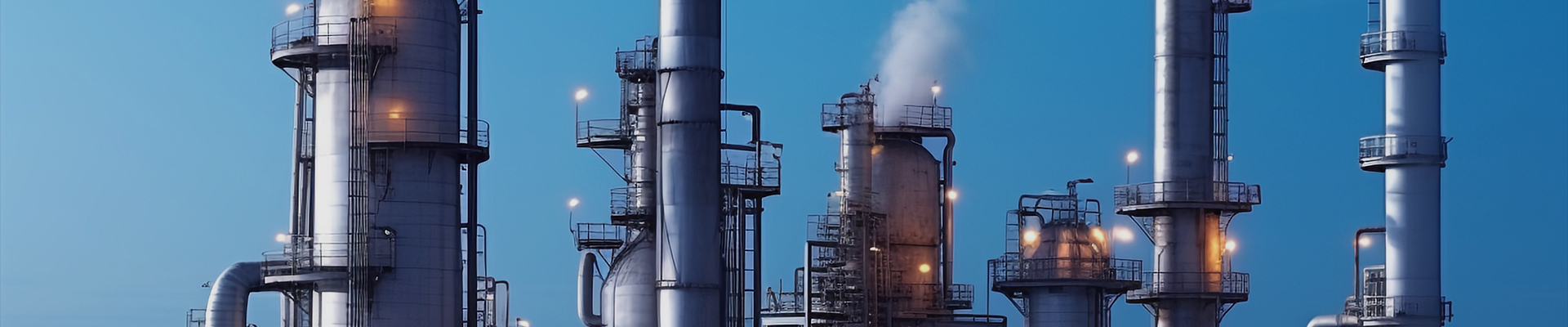
Explosion-proof lighting is designed for use in environments where flammable gases, vapors, or dust may be present. These lights are constructed to contain any explosion that might occur within the fixture.
Increased safety and compliance with regulations
Durable construction for harsh environments
Energy efficiency in industrial settings
To select the proper length, you\'ll first need to assess the space. Follow these steps:
Measure the total length of the area where lighting is needed.
Account for obstructions like beams or machinery.
Decide on the spacing between each fixture; typically, this ranges from 8 to 12 feet apart.
Explosion-Proof Linear Lights come in various lengths. Select a fixture that fits your measurements while ensuring optimal illumination. Common lengths include:
2 feet
4 feet
8 feet
Identify the lumens required for your space based on usage:
Workshops: 50-100 lumens per square foot
Storage Areas: 30-50 lumens per square foot
Once you know the required lumens, use the following formula to estimate wattage:
Identify the lumen output of the specific light fixture you are considering.
Divide the total lumen requirement by the lumen output of the fixture. This gives you the number of fixtures needed.
Always verify that the lighting meets local and national safety codes. Failure to comply could lead to hazardous situations.
Ensure sufficient lumen output for your specific work tasks. Low illumination can be unsafe.
Consider the temperature, humidity, and presence of corrosive substances when selecting fixtures.
Tape measure for dimensions
Calculator for wattage and lumens
Local regulation guides for safety compliance
Choosing the right length and wattage for Explosion-Proof Linear Lighting is vital for safety and efficiency in hazardous environments. By understanding the basics, measuring your space accurately, and calculating required wattage, you can make an informed purchase and installation decision. For high-quality Explosion-Proof LED Linear Lights, consider SAFER-Ex for your lighting needs.
Previous : The Advantages of Switching to LED Linear Lights in Hazardous Zones
Next: LED Linear Lights vs. Fluorescent Tubes: A Maintenance and Cost Comparison

 Español
  عربي
عربي