Tel.: +86 574 6222 6513
Tel.: +86 574 6222 6513
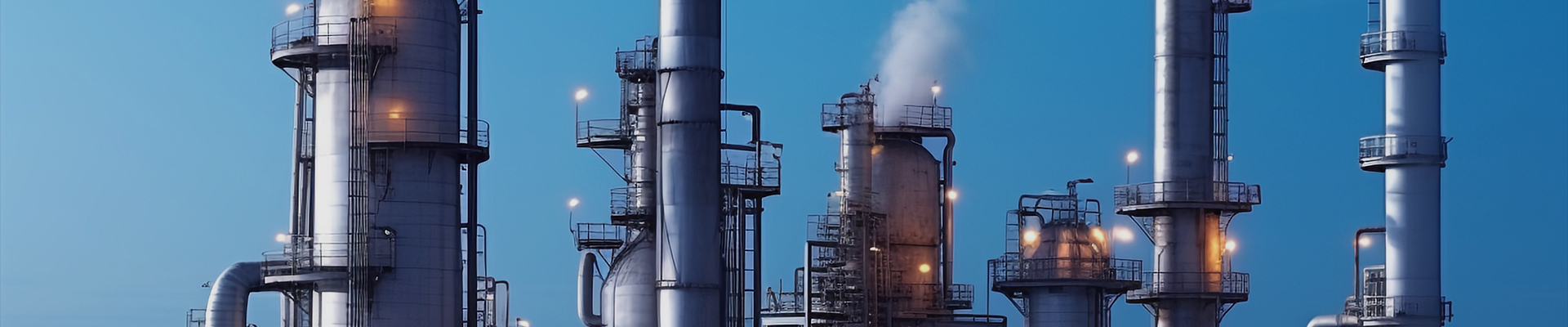
Large-area explosion-proof flood lighting is essential for industries operating in hazardous environments, such as oil and gas, chemical plants, and mining operations. This article addresses the critical needs of safety managers and facility operators seeking effective lighting solutions to mitigate risks of explosions and enhance operational safety. By understanding the key factors surrounding Explosion-Proof LED Flood Light technologies, industry professionals can make informed decisions that not only improve workplace safety but also optimize productivity. Here, we will explore the necessary features, regulations, and specifications to consider when choosing these specialized lighting solutions.
When discussing Explosion-Proof LED Flood Lights, it\'s vital to familiarize oneself with specific terminology and principles. The term "explosion-proof" refers to the ability of a light fixture to contain any potential explosion within its housing, thus preventing ignition of surrounding hazardous gases or dust. Understanding how lumens, color rendering index (CRI), and ingress protection (IP) ratings impact the efficiency and safety of lighting is essential.
Lumens: A measure of the total light output. For effective flood lighting, fixtures should provide at least 10,000 lumens per unit.
Color Rendering Index (CRI): A rating from 0 to 100 indicating the accuracy of color representation. A CRI above 80 is recommended for industrial settings.
Ingress Protection (IP) Rating: Indicates resistance to water and dust, with a rating of at least IP66 being ideal for outdoor and hazardous locations.
Choosing the right explosion-proof flood lighting involves a systematic approach. Here are the crucial steps to follow:
Assess Hazardous Area Classification: Utilize National Fire Protection Association (NFPA) standards to determine the class, division, and group of the hazardous area where lighting will be installed. This classification informs the necessary specifications and certifications for flood lights.
Determine Illumination Requirements: Calculate required brightness levels based on the environment and tasks performed. Surveys suggest that areas with high activity, such as loading zones, may need illuminance levels reaching 20-50 foot-candles.
Evaluate Energy Efficiency: Select LED options that demonstrate energy efficiency metrics, such as wattage and expected lifespan. For example, high-quality LED flood lights can have a lifespan exceeding 50,000 hours, contributing to long-term cost savings.
Check Regulatory Compliance: Ensure that the lighting fixtures comply with relevant standards, such as ATEX and IECEx for explosion protection. Non-compliance can lead to significant safety risks and legal repercussions.
Integration with Existing Systems: Consider compatibility with current electrical installations and operational controls. Many modern systems allow for dimming or motion-sensor enhancements, increasing practicality and energy savings.
Test Performance in Real Scenarios: Prior to full-scale installation, conduct pilot tests to assess the effectiveness of the selected flood lights in actual working conditions. Data from these tests will provide insights into brightness and coverage.
Q1: What is the typical lifespan of Explosion-Proof LED Flood Lights?
A1: Many reliable Explosion-Proof LED Flood Lights can last up to 50,000 hours or more, significantly reducing maintenance costs related to bulb replacements.
Q2: How do I determine the correct wattage for my needs?
A2: The wattage needed will depend on the area size and activity level. For large areas, fixtures with 100-300 watts are often suitable, providing ample brightness while maintaining efficiency.
Q3: Are there specific maintenance requirements for Explosion-Proof lighting?
A3: Regular inspections should be conducted to ensure no physical damage occurs and to verify that seals remain intact. Cleaning lenses periodically will maintain optimal light output.
For further expertise and to deepen your understanding, explore literature on the latest Explosion-Proof LED Flood Light technologies and regulatory updates. Publications from safety boards like OSHA and NFPA provide excellent resources on compliance and best practices.
For industries in hazardous areas, selecting the right Explosion-Proof Flood Lights is crucial for ensuring safety and productivity. SAFER-Ex offers a variety of high-quality explosion-proof lighting solutions that meet stringent regulatory standards. Reach out to SAFER-Ex to find the ideal products tailored to your specific operational requirements.
For an image reference, see below:
Previous : Explosion-Proof LED Linear Lighting for Paint Booths and Oil Gas Corridors
Next: Explosion Proof LED vs. Halogen: Which is More Cost-Effective for Hazardous Areas?

 Español
  عربي
عربي