Tel.: +86 574 6222 6513
Tel.: +86 574 6222 6513
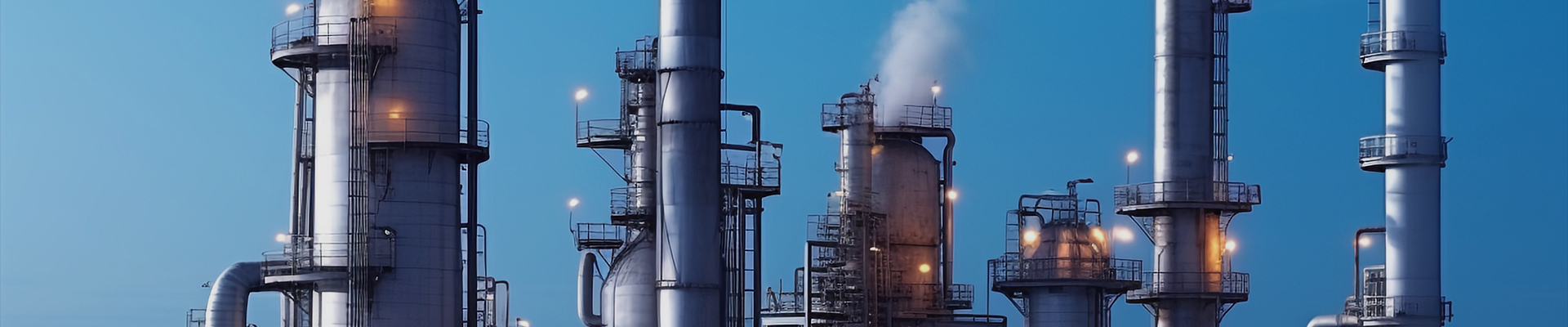
In oil & gas facilities, chemical plants, refineries, and dust-prone factories, lighting is never just lighting. Any electrical device in a hazardous environment has the potential to become an ignition source. That is exactly why explosion-proof lighting exists.This article provides a clear, practical explanation of what an explosion-proof light is, how it works, and what project engineers should pay attention to when selecting certified luminaires for hazardous locations.
Where flammable gases, vapors, or combustible dusts are present, a normal light fixture can create sparks, arcs, or excessive surface temperature. In a safe area, this would be insignificant, but in a hazardous zone, it may trigger an explosion. The purpose of explosion-proof lighting is to contain any internal ignition so it cannot ignite the surrounding environment. It does not rely on ventilation or a clean environment—it solves the problem at the source.
A true explosion-proof luminaire is more than a reinforced housing. Several engineering factors determine whether a fixture is safe for hazardous locations:
If electrical failure or arcing occurs inside the fixture, the housing must prevent flames, hot gases, and pressure from escaping.
Flame paths (threads, joints, gaps) cool and slow any hot gases. Their dimensions are strictly regulated and independently tested.
Hazardous environments specify maximum surface temperature:
Oil drilling platforms
Refining and petrochemical units
Gas stations and LNG facilities
Chemical production and storage
Paint and powder coating workshops
Sugar, grain, feed, and flour processing plants
Alcohol and pharmaceutical factories
Battery manufacturing and electrolytic workshops
Wastewater treatment facilities
Mining tunnels and confined industrial spaces
These locations are commonly classified as Zone 1 / Zone 2 / Zone 21 / Zone 22.
Certification is more important than wattage or brightness.
Explosion-proof equipment must comply with a recognized protection system.
Especially common in the Middle East, Asia, Oceania.
Required for all European hazardous area projects.
Used in the U.S. and Canada.
A reliable supplier should always provide:
50–70% lower energy consumption
Instant start (no warm-up time)
50,000–100,000 hours lifespan
Reduced maintenance costs
Cooler operating temperature
More precise lighting distributions
For refineries and chemical plants, long-term maintenance savings often exceed the fixture cost.
Zone 1 is very different from Zone 2.
Similarly, dust zones (21/22) require different protection.
Make sure the certificate covers your exact gas/dust environment.
Walkways, pipe racks, tank farms, and indoor processing areas require different beam angles.
Coastal, offshore, and chemical areas demand higher standards for materials and coatings.
Incomplete certificates, inconsistent delivery, or lack of documentation causes major delays in industrial projects.
Conclusion
Explosion-proof lighting is a critical part of industrial safety—not an optional upgrade. Choosing certified luminaires, with proper engineering and reliable documentation, is essential for protecting workers and ensuring long-term operational safety. Safer-Ex provides ATEX, IECEx, UL, and CNEx certified explosion-proof lighting solutions for global industrial projects, including flood lights, linear lights, high bays, and emergency fixtures.
If you need technical support, specifications, or lighting design, our team is ready to assist.

Previous : SAFER-Ex Explosion-Proof Lighting Solutions for Industrial B2B Applications
Next: Choosing the Right Explosion-Proof Lighting for Every Industry

 Español
  عربي
عربي